Two to four hours
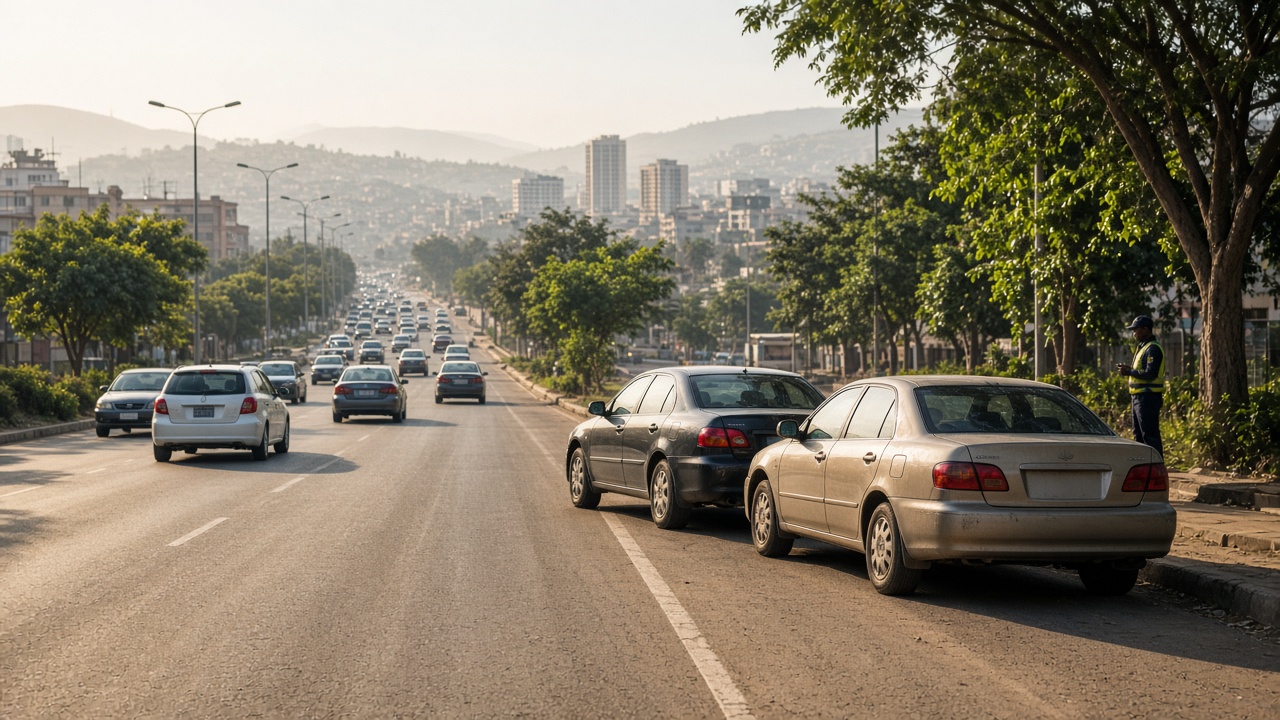
The same bumper stays in the lane while people wait for a signature that could have been ready on a phone.
One platform. Three country names.
Phones already take the pictures. What is missing is a record a court and an insurer will accept, money that moves at the roadside, and a lane that reopens either way.
Built for the roadside. Evidence first, settlement next, and collection that starts while the cars are still there.
 ClearwayScene open
Photos signedBoth accounts sealed
Officer deskSignature, not a roadside wait
Money heldReleased when the other driver signs
STILL THE OFFICER’S FILEYou sign. The lane moves.
✓Record sealedA court can read it
◈Money heldReleased by signature
One file from the bumper to the bank
The problem
Everyone photographs. Nobody can decide. The cars wait for an officer who has to stand between them before the file has any standing.
The same bumper stays in the lane while people wait for a signature that could have been ready on a phone.
Pictures exist. A court and an insurer still cannot treat them as a record until they are guided, checked and signed.
The claim starts days later, after the drivers have left and the roadside chance to collect has gone.
Who it is for
Pick a seat. The guide below changes, and the contact form remembers it.
At the scene
Pick a seat above and the next useful step appears here.
How it works
A disagreement must never block the road. Disputed money stays held. The cars still move.
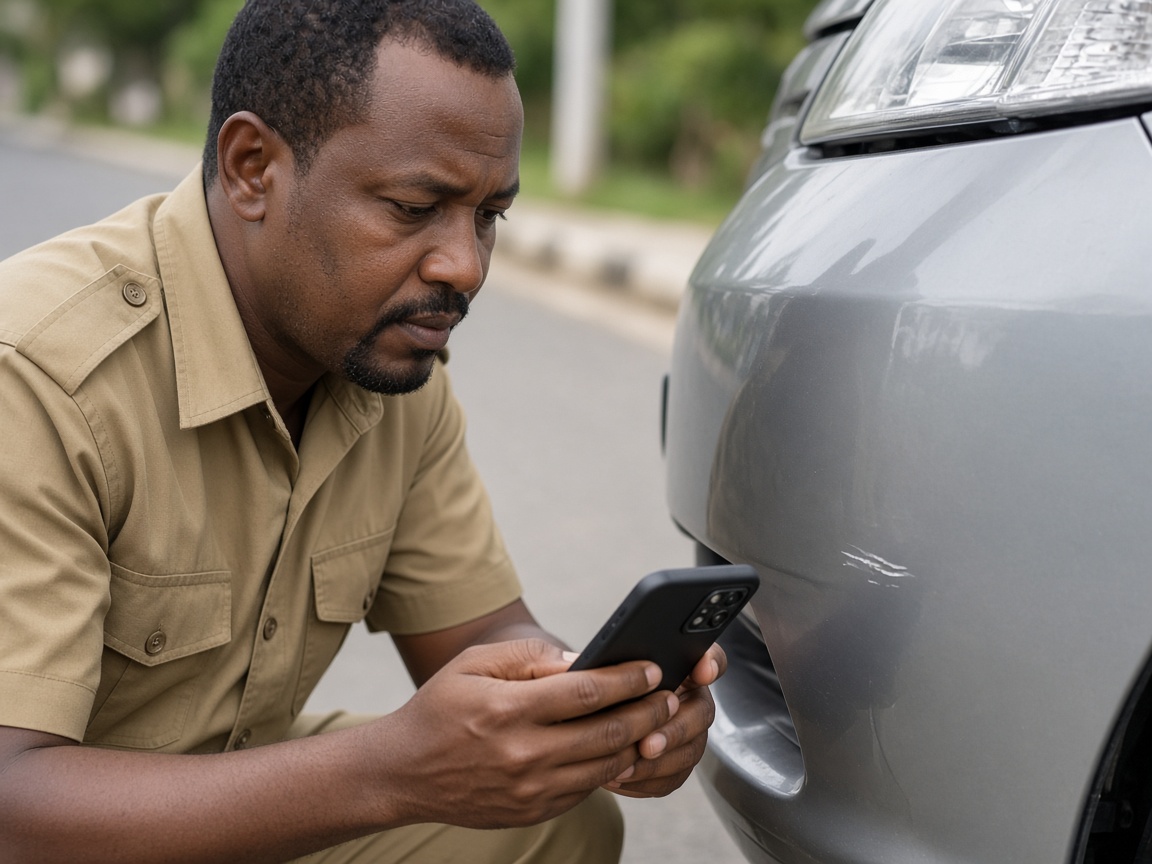
Two vehicles stop. Nothing captured yet has standing.
Guided shots, device checked, each image signed on the handset.
A written rule names the fault split. The officer still signs.
Money is held or an instalment is signed. Traffic moves.
Same software, three pitches
About 70 percent of the system is shared. Pick a market.
Ten modules, one system
The rules engine is not a learning model. A named rule, a plain fault split, an officer signature.
Device check, offline, no blurry shots.
Custody, roles, a public check page.
Sign off without attending every scene.
Photos become geometry an adjuster can use.
A named rule and a plain fault split.
Held until both sign.
Renewal block is the last step, not the first.
Both insurers get the sealed file.
We do not replace the crash database.
Replay a hundred past crashes before go-live.
Getting paid soon
If the driver at fault is insured, the claim opens and this ladder never starts. Every step reverses within a day of payment and pauses on appeal.
Questions
Clearway is the instrument. Njia Safi, Fika and Menged are the country names.
No. The photos you already take become a record a court will accept. You still sign. You stop standing in the lane for every bumper.
Both versions are sealed, the disputed money stays held, and the cars still move. A disagreement must not block the road.
No. A written rule names the split. The officer signs the file.
In a holding account until the other driver signs, or on a signed instalment from the driver’s own wallet. Clearway does not take underwriting risk.
Start a conversation
We reply with a practical next step, usually within one business day.